Alcohol-Free Spirits and. Traditional Spirits in the UK The Must-Read Showdown to those who drink healthily!
In recent years, the world of beverages has undergone a major transformation. As more people prioritize their overall health and wellbeing, the demand for alcohol-free alternatives has grown. It is evident that in United Kingdom, this trend is manifesting itself in the fierce battle between alcohol-free spirits and traditional drinks.
Learning to Shift
Alcohol-free spirits, often referred to as “non-alcoholic” or “alcohol-free” alternatives are becoming increasingly sought-after with those seeking a healthier, more mindful drinking experience. These beverages are designed to bring out the essence and taste of traditional spirits without the alcohol contents.
What’s the reason for this shift toward traditional spirits? It’s a combination of factors. People who are health conscious are becoming conscious of the effects of drinking excessively on their wellbeing. This has led to an increase in demand for alternatives that can provide the pleasure of drinking a classic drink, without the disadvantages of alcohol.
The Alcohol-Free Spirit Phenomenon
Defines Alcohol-Free Spirits
Alcohol-free spirits are created with skillful mixing of botanicals, herbs, and spices to create flavorful and complex beverages. They are meticulously distilled to obtain the essence from these ingredients, giving a high-end taste that is comparable to traditional spirits.
Its Ingredients as well as the the Process
The production of alcohol-free spirits requires a lot of craft. The makers carefully select the botanicals, spices and herbs, usually sourced from all over world, to create an interesting and unique flavor profile. They then mix these ingredients with water and distilled creating a concentrated beverage that contains the essence of the ingredients selected.
The Rise in Popularity
In the UK in particular, alcohol-free spirits have been experiencing an exponential increase in popularity, thanks to a surge of innovation within the beverage industry. Leading brands have come up with various alcohol-free options, catering to different preferences and tastes. This diversity has made it easier for consumers to transition away from the traditional spirits and their alcohol-free alternatives.
But why do people decide to opt for alcohol-free spirits? It’s not only about health. These drinks are a versatile basis for mixologists who can create amazing alcohol-free cocktails. They have become a symbol to show class and choice for those who want to enjoy a drink without the alcohol content.
In the next article in the next section, we’ll look into the tradition of traditional spirits, exploring their rich history as well as their cultural significance across the UK. Also, we’ll examine the key differences between traditional and alcohol free spirits to help you make a well-informed choice for when you’re ready to drink.
Keep following us as we take you for a an unforgettable journey through spirit world of traditional alcoholics and substitutes that do not contain alcohol.
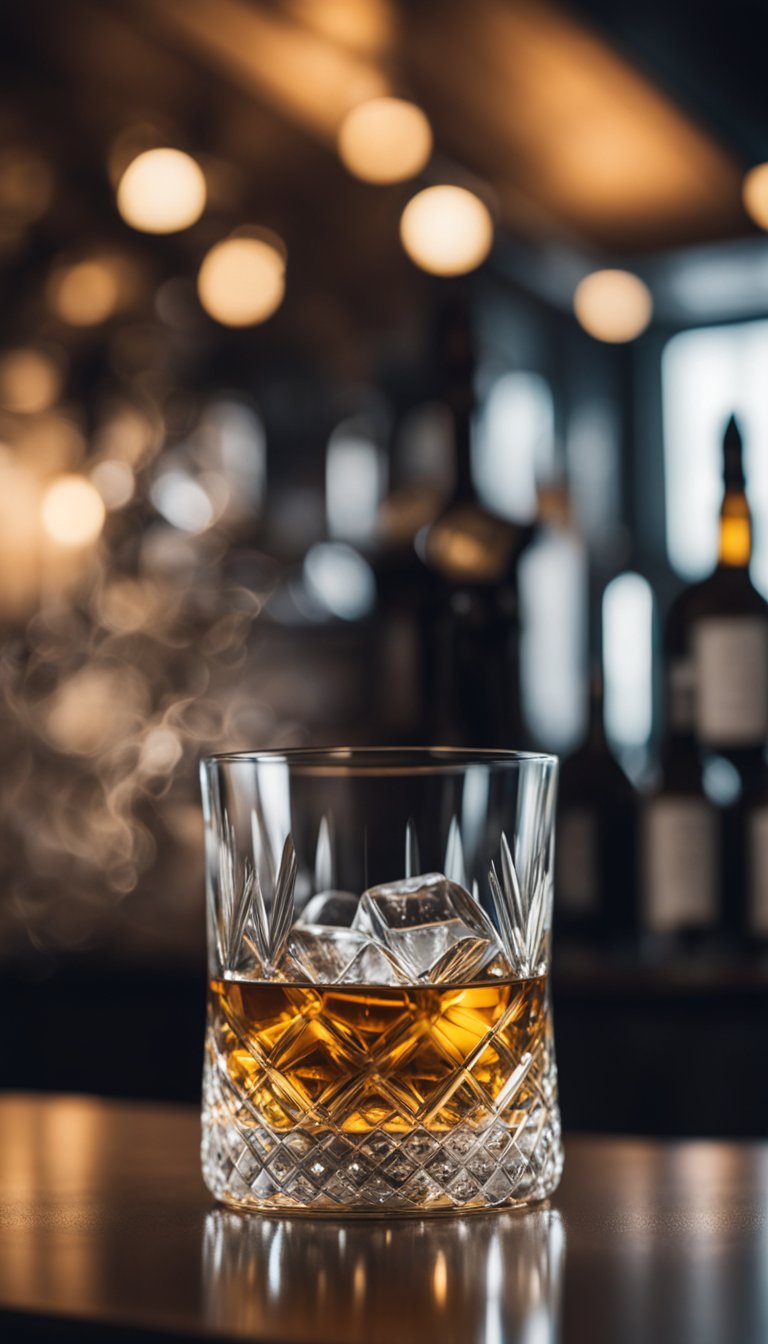
Traditional Spirits: A Glance into England’s Liquid History
In the picturesque pubs charming bars, and elegant cocktail lounges in the United Kingdom, traditional spirits remain a significant in the nation’s tradition and heritage. Be it straight or mixed in classic drinks, the timeless spirits have a rich history that stretches back centuries.
It is the Legacy of Traditional Spirits
A Whiskey Tale
Another of the recognizable and adored authentic spirits that is whiskey. Whiskey is also known as “whisky” throughout the UK. Scotch whisky, in particular is gaining worldwide acclaim for its rich flavors and its long-standing craftsmanship. The origins of Scotch whisky date from the early 15th century, which makes it among the oldest distilled drinks in the world.
Gin from medicine to Mixology
Gin, another popular traditional spirit, is a storied story in the UK. It was first developed for medicinal purposes The spirit gained a lot of attention during the 18th century when it became the main ingredient in the famous drink, the Gin and Tonic. It has since become the mainstay of mixology and offers a wide assortment of herbal flavors to explore.
the Art of Distillation
The Distillation Process
Traditional spirits like vodka, whiskey, gin and rum are created through a meticulous process, known as distillation. The process involves heating the fermented liquid to make the form of vapor, and cooling it down to condense the liquid back into its liquid form. The result is a concentrated alcohol spirit that retains the unique taste of the components utilized in the fermentation.
The role of aging
The process of ageing is one of the key aspects in the production of traditional spirits, especially for whiskey. The spirit is typically aged in wooden barrels usually oak, for a number of years. During this time, it goes through chemical changes that give complex aromas, flavors and a smooth taste.
Tradition meets innovation
While traditional spirits hold a special place in the hearts of many UK residents, the beverage landscape is changing. The rise of alcohol-free spirits has brought an entirely new dimension to the world of drinks which is challenging the traditional notions regarding what a good spirit could be.
In the next section, we’ll delve into the major differences between alcohol-free spirits and traditional ones. We’ll examine the taste profiles that are versatile, as well as health elements that make them stand out. If you’re an avid drinker of traditional spirits or just a curious newcomer, understanding these differences will allow you to make informed choices about what to sip during your next excursion.
Join us as our journey takes us to the fascinating intersection between tradition and modernity in the field of spirits. In the third section, we’ll examine the intriguing world of alcohol-free spirits in the UK.
Enhance Your Product Range: Direct Orders of Non-Alcoholic Spirits from Swedish Distillers!
Believing in the Alcohol-Free Revolution: Spirits for the Next Generation
With the setting sun over the UK’s bustling towns and serene countryside, a slow-moving revolution is happening with regard to spirits. Although traditional spirits such as whiskey and gin have long been the top choice of people in the British social scene a new contender has emerged, poised to alter the landscape: alcohol-free spirits.
A Refreshing Change in Perspective
It is the Sobriety Movement
In recent times, the movement to sobriety has seen a surge in popularity throughout the UK and elsewhere. In a growing number of cases, people are seeking alternate options for alcohol to permit them to take pleasure in the fun of social gatherings without the harmful effects of intoxication. This cultural shift has helped pave the way for the growth for alcohol-free liquors.
An Question of Health
The health-conscious consumer is in the forefront of demand for alcohol-free options. The majority of them are worried about the adverse effects on health of excessive alcohol consumption, such as problems with the liver as well as a higher risk of developing certain diseases. Alcohol-free spirits provide a way to enjoy the flavor as well as the rituals of drinking without any health risk.
Unveiling the World of Alcohol-Free Spirits
Flavorful Alternatives
Alcohol-free spirits, often called “spirits alternative” or “non-alcoholic spirits,” are designed to mimic the complex flavor profiles of traditional spirits. It doesn’t matter if you’re seeking the smoky notes of whiskey, the flavor of gin’s botanical nuances, or the sweet taste of rum, there’s an alcohol-free option to satisfy your palate.
Botanical Blends
A variety of alcohol-free spirits are made by mixing a range of botanicals, herbs, spices, and fruits. The ingredients carefully chosen are macerated or distillated in order to extract their aromas that result in a liquid that has the flavor of traditional spirits.
Null Proof Complete Experience
One of many compelling features of alcohol-free spirits is their capacity to provide a complete sensory experience that is free of the consequences of alcohol. It’s possible to experience the smell in the mouth, the taste, or the tingling sensation of a carefully crafted alcohol-free spirit while maintaining a perfect level of sobriety.
Mixing and matching: The Variousity of Alcohol-Free Spirits
Cocktail Creativity
One of many exciting aspects that alcohol-free spirits have is their flexibility in mixology. Like alcohol-based drinks, these spirits can be utilized to create numerous cocktails. From mojitos that are alcohol-free to virgin G&Ts, the possibilities are limitless.
Pairing Possibilities
Alcohol-free spirits pair well with mixers that allow you to create sophisticated and refreshing drinks. If you like soda, tonic water, or juices of fresh fruits, there’s an alcohol-free spirit to satisfy your taste palate.
What’s the Future of Drinking
In a moment when we look forward to the exciting universe of alcohol-free liquors, it’s apparent that they’re more than only a trend that’s passing, but fundamentally changing the way we think about drinking. If you’re aiming for sobriety, making health a priority, or simply trying out new flavors Alcohol-free spirits give you an all-inclusive and exciting drinking experience.
In the following section this article, we’ll go over how alcohol-free spirits stack up against their counterparts from the past. We’ll examine the major distinctions in flavor, ingredients, and consumption, helping you make an informed choice about your favorite spirit.
Join us as we embark in a food journey that is a bridge between traditional and modern. In the fourth section we’ll be comparing alcohol-free spirits to traditional spirits, highlighting their unique characteristics and advantages.

A Taste Showdown An Alcohol-Free Taste Showdown Spirits Versus. Traditional Spirits
In the ever-changing world of beverages, a fascinating debate is taking place involving alcohol-free spirits in comparison to. traditional spirits. As consumers look for alternatives traditional alcohol drinks, alcohol-free spirits have become a credible option. In this section this article, we’ll review the key distinctions between these two categories, focusing on flavor profiles ingredient profiles, the overall drinking experience.
Flavor: A Harmony of Tastes
Alcohol-Free Spirits
When it comes to taste, alcohol-free spirits are made to be impressive. They come with many different profiles that can be adapted to different preferences. You’ll be able to discover alcohol-free alternatives that evoke the rich, smoky flavours whisky, the floral depth of gin, or the sweet caramel undertones of the rum.
Bold Botanicals
A lot of alcohol-free spirits depend on botanical ingredients like coriander, juniper, as well as citrus peels for their distinctive flavours. These botanicals are carefully selected and macerated or distillated to create unique flavor profiles so that every sip is a pleasure.
Traditional Spirits
The traditional spirits of the past have reigned as the best in flavor. Whiskey, gin and vodka, rum, and many other classics have become staples in the world of mixology. Their distinct flavors result of complex extraction processes, aging barrels, and a careful selection of ingredients.
Old-Elegance
Traditional spirits can benefit from the aging process in wooden barrels giving nuanced tastes. Whiskey for instance has its distinctive flavor due to its interaction with the wood. This aging process leads to the development of flavor profiles, which can include flavors of caramel, vanilla, and oak.
Ingredients: Crafting Complexity
Alcohol-Free Spirits
Making alcohol-free spirits is a craft that relies on botanical mastery. Distillers and producers choose a harmonious blend of botanicals and spices, herbs, and fruits to create a balanced and flavorful liquid. The ingredients are refined using various methods for extracting their essence, completely without the use alcohol.
Traditional Spirits
Traditional spirits have a well-defined number of ingredients. For instance, whiskey is primarily created from fermented mash of grain, while gin’s key botanical is the juniper. The technique of traditional distillation is in the process of distillation in which alcohol is the main ingredient.
Consumption: A Sobering Experience
Alcohol-Free Spirits
One of the main benefits of alcohol-free spirits is their ability of providing a full sensory sensation without the harmful effects that come with alcohol. You can enjoy the smell as well as the flavor and the slight burn of a carefully crafted alcohol-free spirit while maintaining perfect sobriety. This makes them an appealing choice for those who wish to enjoy the art of drinking alcohol without the risks of intoxication.
Traditional Spirits
Traditional spirits, as their name suggests, contain alcohol. Although they provide a wide and varied taste They also carry the effects of alcohol consumption that could result in impairment, intoxication or potential health risks.
An Evolutionary shift in drinking habits
As we compare alcohol-free spirits with their traditional counterparts, it becomes apparent that each category has distinctive advantages and characteristics. Alcohol-free spirits give you a diverse and energizing drinking experience, serving the needs of those seeking sobriety or value their health or simply enjoy new flavors.
In the upcoming segment that’s coming up, we’ll examine the practical aspects including alcohol-free drinks in your everyday life. From creating wonderful cocktails to enjoying them as an individual sipper, we’ll uncover the versatility and creative possibilities they offer to the world of alcohol.
After we’ve looked at the flavor, ingredients, and drinking of alcohol-free spirits in comparison to. traditional spirits, we’ll begin Section 5 in which we’ll furnish our readers with practical advice and recipes for enjoying spirits that are alcohol-free in a variety of ways.
How to master the art of enjoying Spirits that are Alcohol-Free Spirits
Welcome to the concluding installment of our five-part series about spirits that are alcohol-free and. more traditional spirits. In the preceding sections we’ve explored the nuance of flavor, ingredient, and the overall drinking experience across both categories. Now, in Section 5, we embark in a search to find the practical benefits and delights when incorporating alcohol-free liquors in your life.
Designing Crafted Cocktails A World of Possibilities
In the process of creating the Perfect Mocktail
One of the great things about liquors that are alcohol-free is the flexibility in mixology. If you’re hosting a party or simply unwinding after a long day, it’s possible to could use alcohol-free spirits the basis for a variety of delightful mocktails. Here are a few suggestions to help you get on the right track:
-
Citrus Bliss: Combine alcohol-free gin with Elderflower syrup, and soda water to create an exciting and refreshing concoction.
-
Minty Elegance: Mix alcohol-free rum, mint leaves muddled in lime juice, a touch of simple syrup to make an alcoholic mock mojito that is bursting with flavor.
-
Berry Breeze: Blend alcohol-free vodka with mixed berries, cranberry juice with a dash of agave nectar to create an exotic and lively mocktail.
Modernizing Classic Cocktails
You don’t have to forego classic cocktails when choosing alcohol-free spirits. With a little creative thinking, you can recreate beloved favorites with a non-alcoholic twist:
-
Virgin Martini: You can replace traditional gin and vodka with alcohol-free gin, add some vermouth, and then garnish with the lemon twist or olive for a sophisticated mock Martini.
-
“Nojito”: The alcohol-free mojito substitutes rum with alcohol-free which results in a fresh and refreshing twist on the original.
Sipping In Style: Pretty and On the Rocks
Alcohol-free spirits aren’t meant to be mixed, but they’re also designed for sipping. Pour them in a glass with ice and take them in a glass, just as you would traditional spirits. Here are some top options for savoring alcohol-free spirits:
-
Alcohol-Free Whiskey: Enjoy it slowly and savor the intricate flavors reminiscent of traditional whiskey, with out the alcohol.
-
Gin Replacements Enjoy the botanical complexity of gin that is alcohol-free by enjoying it by drinking it straight or over ice, garnished with your favorite flowers.
-
Rum Substitutes: Take a look at the rich and sweet aromas of rum made without alcohol. It can be enjoyed on its own or as a base to make tropical-themed mocktails.
Frequently Asked Question About Alcohol-Free Spirits
Q1: Can I mix alcohol-free spirits with traditional spirits in cocktails?
Absolutely! Mixing alcohol-free spirits with traditional spirits can result in distinct flavors, as well as decrease the amount of alcohol in your drink.
Q2 Do alcohol-free drinks work for those in recovery?
Yes, alcohol-free spirits are the ideal choice for people recovering from addiction because they offer the same taste and experience as spirits, but without alcohol.
Q3 Can alcohol-free spirits be lower in calories than traditional spirits?
In general, alcohol-free spirits tend to be lower in calories when compared to alcohol-based counterparts. However the exact amount of calories will differ depending on the type and brand or alcohol-free type of spirits.
Conclusion The Future of Alcohol-Free Spirits is waiting to be discovered.
In this extensive series, we’ve taken a look at the fascinating world of alcohol-free spirits and compared them to traditional spirits in terms of flavor, components use, and use. It’s clear that alcohol-free spirit aren’t just an emerging trend. They represent an exciting and diverse approach to drinking.
Whether you opt for alcohol-free spirits for health reasons or as part of living a sober life, or simply to expand the options of your beverages, they offer a world of options. From making sophisticated mocktails or enjoying them on the rocks and on the rocks, your choices are endless.
When you embark on your adventure to discover alcohol-free spirit ensure you are enjoying the aromas, experiment with mixology and relish the joy of alcohol-free drinking. Enjoy a vibrant and open-minded world of alcohol!
To revisit any section of this series, or to dive deeper into the subject matter discussed Click on the hyperlinks below:
-
Section 1: The Fundamentals for Alcohol-Free Spirits
-
Section 2: Crafting Alcohol-Free Spirits
-
Section 3: The Rise of Alcohol-Free Spirit Brands
-
Part 4: Flavourful Experiences: Savouring Alcohol-Free Spirits
We thank you for taking part to explore the world of spirits that are alcohol-free, and we hope you find the content interesting and educational. As you explore the realm of alcohol-free beverages do you come across new worlds of taste, spirit, and joy.
